
Managing social media efficiently requires consistency, creativity, and strategic focus. Automating routine tasks saves valuable time, enhances engagement, and allows teams to scale their efforts effectively. For anyone researching the best AI tools for automating social media management, this guide outlines essential features, top-rated platforms, practical applications, and a straightforward workflow to implement immediately.
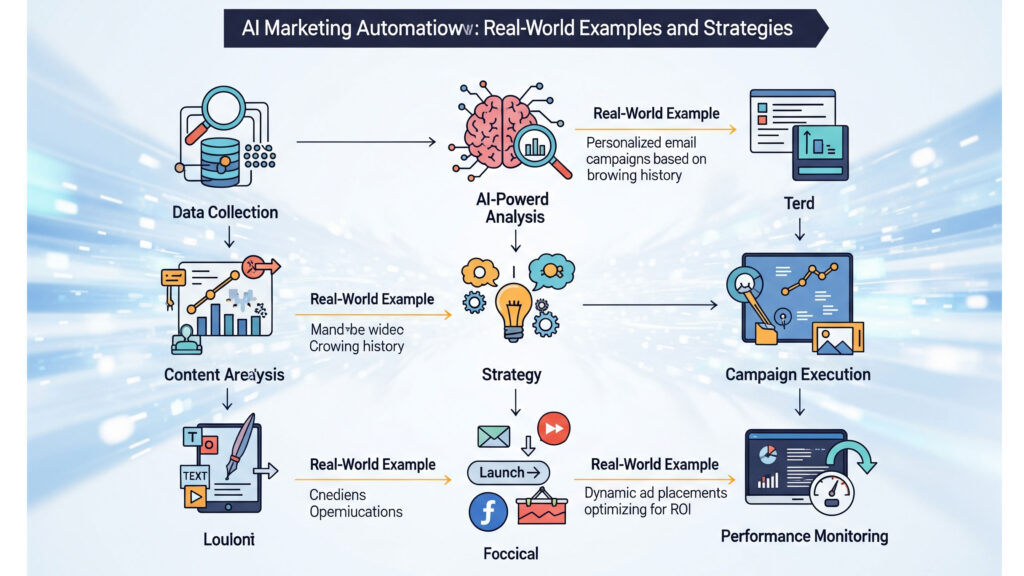
In this article, you’ll learn:
- Key AI features that enhance social media automation
- A curated list of reliable tools and their primary strengths
- Real-world examples and actionable steps to achieve quick results
Table of Contents
Why Integrate AI into Social Media Management?
AI transforms repetitive tasks into streamlined workflows, allowing human teams to concentrate on strategy and creative development. The best AI tools for automating social media management typically assist with:
- Content creation and ideation (captions, visuals, videos)
- Intelligent scheduling and optimal timing recommendations
- Hashtag and keyword discovery to boost visibility
- Social listening and sentiment tracking for brand monitoring
- Analytics and performance predictions for data-backed decisions
By incorporating AI, organizations reduce guesswork, accelerate content production, and enhance decision-making through actionable insights.
Essential Features of the Best AI Tools for Automating Social Media Management
When selecting a platform, prioritize capabilities aligned with your objectives:
Core Capabilities:
- Content Generation: AI-driven captions, post variations, and engaging hooks
- Scheduling & Calendar Management: Drag-and-drop scheduling with optimal time suggestions
- Multi-Channel Publishing: Support for Instagram, TikTok, LinkedIn, X, Facebook, and YouTube
- Analytics & Reporting: Insightful metrics and actionable recommendations
- Social Listening: Real-time keyword and brand tracking with sentiment analysis
- Collaboration Tools: Approval workflows and team task assignments
Additional Advantages:
- AI-Generated Visuals: Image and video creation, resizing, and adaptation
- Automated A/B Testing: For headlines, CTAs, and content variations
- Integrations: Compatibility with CRM, CMS, and advertising platforms
Always consider security, privacy policies, and compliance—especially when managing branded accounts.
Leading Platforms: The Best AI Tools for Automating Social Media Management
Below is a selection of widely adopted solutions that represent the best AI tools for automating social media management. Each tool is highlighted with its core strengths and a practical use case.
- AI Content Assistants (Text-Focused)
- Function: Generate captions, content ideas, and editorial calendars.
- Value: Significantly reduces time spent on daily copywriting.
- Use Case: Producing 30 tailored caption variations for a product launch, adapting tone for LinkedIn versus Instagram.
- Key Features: Tone customization, keyword-optimized suggestions, and repurposing long-form content into social threads.
- Social Scheduling & Optimization Platforms
- Function: Schedule posts, recommend ideal posting times, and automate cross-platform distribution.
- Value: Centralizes publishing and maintains a consistent posting cadence.
- Use Case: Automatically scheduling a week’s worth of content with AI-driven timing based on audience activity.
- Key Features: Visual calendar views, smart rescheduling, and bulk upload capabilities.
- AI-Powered Creative Tools (Visual Content)
- Function: Create images, videos, and templates from text prompts.
- Value: Enhances engagement by accelerating visual content production.
- Use Case: Generating platform-specific thumbnails, resizing graphics, or producing short promotional clips automatically.
- Key Features: Templates for Stories, Reels, and thumbnails; auto-captioning and translation for videos.
- Social Listening & Reputation Management Platforms
- Function: Monitor brand mentions, keywords, and sentiment across networks.
- Value: Provides early alerts for potential PR issues and identifies trending topics.
- Use Case: Receiving notifications when a campaign hashtag gains traction or when negative sentiment emerges.
- Key Features: Real-time alerts, sentiment scoring, topic clustering, and influencer identification.
- Analytics & Forecasting Tools
- Function: Transform engagement data into actionable insights and predictions.
- Value: Reveals high-performing content and guides future strategy.
- Use Case: Predicting engagement lift from boosting a post or repurposing a top-performing Reel.
- Key Features: Audience cohort analysis, content decay tracking, and automated report generation.
A Practical AI-Powered Workflow
Combine tools to create an efficient, repeatable process:
- Idea Generation (AI Assistant): Use a content AI to brainstorm 20 post ideas and 10 caption drafts.
- Creative Development (AI Visual Tools): Produce images or short videos for the top five ideas.
- Scheduling (Automation Platform): Upload assets to a scheduler that recommends optimal posting times.
- Monitoring (Social Listening): Track mentions, campaign hashtags, and audience feedback.
- Analysis & Iteration (Analytics Tools): After 48–72 hours, review performance to decide which posts to boost or repurpose.
This workflow effectively utilizes the best AI tools for automating social media management, allowing AI to handle volume while humans focus on nuance and strategy.
Real-World Applications: How Teams Leverage AI
- Small Business: A boutique uses AI captioning to prepare a month’s worth of Instagram posts in under two hours, saving over 10 hours monthly.
- Marketing Agency: An agency employs AI video templates to create multiple ad variations for A/B testing, reducing production costs by 60%.
- Enterprise: A global brand combines social listening with AI forecasting to anticipate PR concerns and adjust messaging across regions.
Each example demonstrates how the best AI tools for automating social media management address specific challenges—whether content creation, cost reduction, or risk mitigation.
Common Pitfalls and How to Avoid Them
While AI improves efficiency, misuse can impact brand integrity.
- Over-Automation Leads to a Robotic Tone: Always review AI-generated content for brand voice and accuracy.
- Over-Reliance on AI Suggestions: Treat AI recommendations as a starting point, not final decisions.
- Compliance & Copyright Risks: Verify licensing for AI-generated images, music, or assets before commercial use.
- Neglecting Community Engagement: Automation should not replace genuine interactions in comments and direct messages.
Mitigation Strategies:
- Implement a human review step before publishing.
- Maintain a brand voice guide to inform AI prompts.
- Use AI for drafting, not as a final publishing tool.
Selecting the Right Mix of Tools for Your Team
No single tool fits every team’s needs. To choose from the best AI tools for automating social media management:
- Assess Your Requirements: Consider content volume, platforms, team size, and budget.
- Run a Pilot Test: Trial a content assistant and scheduler for 30 days.
- Measure Outcomes: Track time saved, engagement changes, and cost per post.
- Scale Gradually: Introduce listening and analytics tools once your content cadence is established.
Start with a focused approach, measure results, and expand based on performance.
Final Thoughts and Next Steps
The best AI tools for automating social media management enable consistent, data-informed content at scale while freeing your team to focus on strategy and storytelling. When integrated thoughtfully—AI for creation, platforms for distribution, and humans for oversight—you build a powerful system that drives engagement and sustainable growth.
Ready to build your automated social media stack? Consider the following:
- Your primary platforms (Instagram, TikTok, LinkedIn, etc.)
- Desired content frequency (daily short-form posts or weekly long-form content)
- Team size and budget allocation